Commercial Roofing

Start With the Building, Roof Condition, and Project Scope

Tell us about the building, roof condition, and project needs. We can review the roofing scope and determine whether the project is a good fit for our team.

Start withBuilding use, known roof system, and current concern
SharePhotos, roof history, access details, and project goals
Confirmed systemsTPO, EPDM, flat or low-slope, metal, asphalt, and tile
Next stepReview the scope, timing, location, and project fit

A commercial roof is part of an operating building

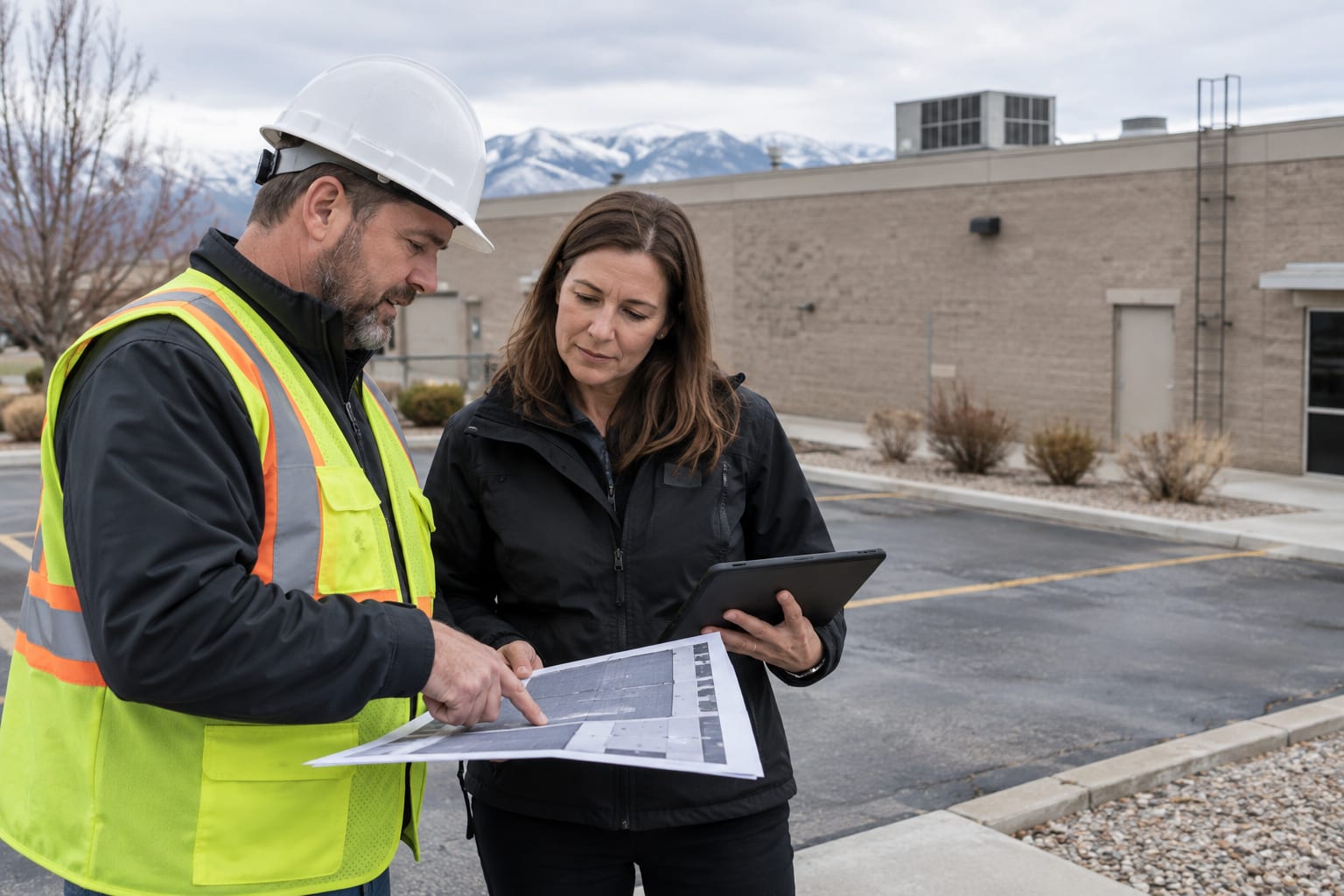
Tell us how the building is used and whether access limits, tenant or customer activity, sensitive spaces, rooftop equipment, or preferred work times affect the request. We will consider that information when reviewing project fit.
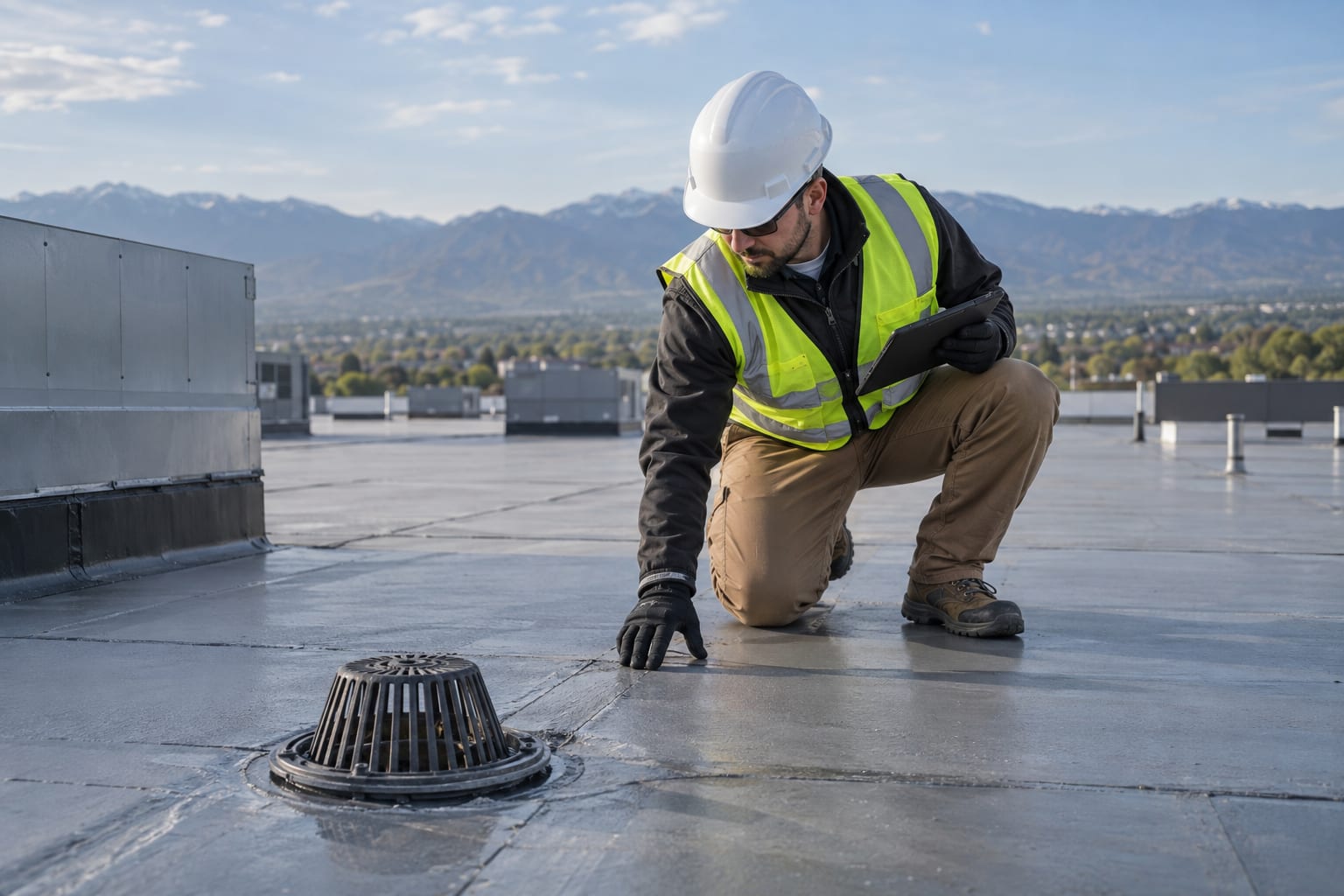
Commercial roof drainage and membrane details under review

How We Help

What your property team needs to know

Tell us what is happening

Share the reported concern, where it appears, when it started, and any photos or prior roof information you have.

Describe the roof system

Known information about TPO, EPDM, flat or low-slope roofing, metal, asphalt shingles, or tile helps us understand the request.

Explain the building needs

Building use, access limits, rooftop equipment, and preferred timing help us review whether the scope is a fit.

Review before promising

We review the location, available information, project scope, and timing before discussing what our team can take on.

Reactive information

  • Where the leak was reported
  • Weather at the time
  • Interior impact
  • Immediate access limitations

Long-term information

  • Roof system and installation date
  • Inspection and repair history
  • Rooftop equipment work
  • Planned capital timing

What to Know

Drainage and rooftop traffic matter

Water pathways, blocked drains, repeated foot traffic, and work around equipment can create conditions that are easy to miss from inside the building.

Drainage and rooftop traffic matter roofing context

Practical Context

Existing roof information helps us understand the request

Dates, reported leak locations, photos, weather, prior repairs, and rooftop equipment work give us useful context when we review the roofing scope.

Existing roof information helps us understand the request roofing context

A Clear Path

From the first report to a clear work plan

1Share the building details

Provide the address, building use, known roof system, reported concern, and primary contact.

2Send useful information

Photos, prior repair information, roof records, access limits, and project goals help us understand the request.

3We review project fit

We consider the roofing scope, location, timing, available information, and the type of work being requested.

4Discuss the next step

If the request is a fit, we clarify what additional information or site access is needed before discussing the work.

Helpful Answers

Frequently Asked Questions

These answers explain what information helps us review a commercial roofing inquiry.

What information should a commercial roofing request include?

Share the property type, known roof system if available, leak locations, access limitations, prior repair history, and any tenant or operating constraints. Photos and existing reports are helpful.

Why is documentation important for a commercial roof?

A record of conditions, leak locations, service visits, repairs, storm events, and rooftop work helps owners and managers make better decisions over time.

How often should a commercial roof be reviewed?

The right interval depends on the system, age, traffic, warranty terms, and exposure. Industry guidance commonly emphasizes regular inspections and additional review after significant weather or rooftop work.

Can you review a roof concern at an occupied building?

Tell us about the building use, access limits, tenant or customer activity, sensitive areas, and preferred timing. We can review the roofing scope and determine whether the request is a good fit for our team.

What areas commonly deserve attention on a low-slope roof?

Drainage paths, seams, penetrations, curbs, perimeter details, transitions, previous repairs, and areas affected by foot traffic are common inspection points.

Which commercial roofing systems do you work with?

Our confirmed systems include TPO, EPDM, and other flat or low-slope roofing, along with asphalt shingles, metal roofing, and tile where they fit the building and scope.

What should a facility team share first?

Share the reported concerns, building use, known roof system, photos, prior repair information, access limitations, and project goals. We will review the information before discussing fit and next steps.

Building and Project Details

Tell us about the building and roofing scope.

Include the property location, known roof system or concern, project needs, and the best way to reach you.

Start the Conversation

Discuss a Commercial Roof

Share the building, roof condition, project needs, and best way to reach you.

Please provide a phone number or email so we can follow up.

We will review the details and contact you about the appropriate next step.